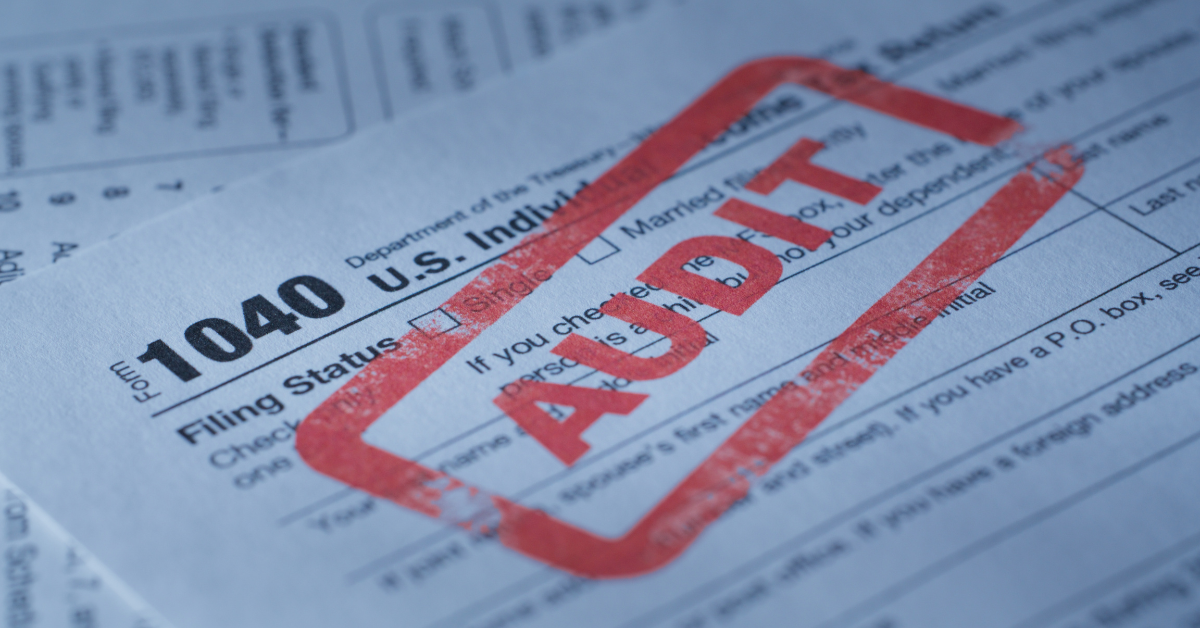
Financial Best Practices for Nonprofits

Nonprofits are big on heart and impact. Comprised of people dedicated to solving problems where they live, nonprofits are part of the pulse of any community. But don’t let the name “nonprofit” fool you. As anyone working in nonprofit knows, it still takes funding to carry out a mission. 

Nonprofits typically acquire their funding from donors and grants who want their money to make a difference. That’s why financial transparency and compliance are critical components to nonprofit management. If you run a nonprofit or are thinking of starting one, it’s important to have systems in place that keep your finances organized, stable, and transparent. Keep reading for our roundup of best practices for nonprofit finances. 

Nonprofit Finances 101

Nonprofits pull together many different stakeholders–including donors and granting organizations–to move the needle on their mission. That’s why financial stewardship is key to the long-term sustainability of any nonprofit. Here’s our top tips for maintaining transparency, sustainability and integrity for your nonprofit. 

Create a Budget

Develop an annual operating budget that accounts for revenue and expenses. Regularly review budget and compare it to actual financial performance to stay on track.

Keep Accurate and Consistent Records

Maintain detailed, up-to-date records for all financial transactions. This includes keeping track of donations, grants, and any expenses.

Use Accounting Software

A nonprofit accounting software such as QuickBooks Nonprofit or Blackbaud is a great way to track income and expenses, generate reports, and maintain donor records. These tools are designed to handle the specific needs of nonprofit organizations, such as fund accounting and grant tracking.

Generate Regular Financial Reports

Your accounting software can help you easily create a statement of financial position (similar to a balance sheet in for-profits) that tracks your organization’s assets, liabilities, and net assets and cash flow. 

Comply with IRS Regulations

Nonprofits are required to file IRS Form 990 annually, which provides financial information to the IRS and the public. Keeping strong records will help you stay accurate and timely when filing to maintain tax-exempt status.

Conduct Regular Audits

Hire an independent auditor annually or biannually to review financial statements and internal controls. Many nonprofits are required to have external audits depending on state laws or donor/grant requirements.

Transparent Financial Communication

Publish annual financial reports and share financial information with stakeholders like board members, donors, and the public to build trust. 

When to Hire a Professional Accountant for Your Nonprofit

Running a nonprofit requires flexibility, resourcefulness and creativity. Employees often have multiple areas of expertise and wear a lot of different hats. The work is never boring, but the demands can make finding time and space for healthy financial practices a challenge. 

If you’re struggling to stay on top of your financial tasks while running your nonprofit, it might be time to reach out to a professional accounting firm for help. At Neely’s we specialize in helping individuals, small businesses and nonprofits with their accounting needs. Our friendly team of experts brings over 20 years of experience to each project and delivers professional results every time. We have a variety of solutions to work with your unique needs and budget:

  • Outsourced Accounting: Get support with account reconciliation, expert advice, tax preparation, payroll, and bookkeeping all for a fixed monthly rate at a fair price.
  • Bookkeeping: We can provide a full menu of services including daily transaction classification, expense tracking, payroll, bill payment and invoicing, tax planning and prep, and reporting. 
  • Payroll: Let us handle your payroll so you can focus on running your nonprofit. Our Roanoke CPAs will take care of everything including, scheduled payrolls, filings, employee setup, time tracking, W2 and 1099 processing, and more.
  • Business Taxes: Don’t go it alone during tax season. We offer customized and convenient services to make tax time a breeze. 

Let Neely’s support you while you cultivate a better world through your nonprofit. Give us a call or visit us today to learn more about how we can help.

Posted in Business Finances
PREVIOUS The Benefits of Year-Round Tax Planning
NEXT Preparing for the Year-End: Essential Accounting Tasks

The Benefits of Year-Round Tax Planning

The speed of modern life can make your days feel hectic. Between school drop offs, deadlines, and getting dinner on the table, taxes are the furthest thing from your mind. Until the deadline that is. 

We get it, you have a lot on your plate. It’s tempting to wait until the last minute when it comes to taxes. But doing some year-round planning can actually relieve pressure. And when you work with a trusted Roanoke CPA firm, planning doesn’t have to be stressful at all. In this article, we cover how to plan and the ways year-round tax planning can boost your financial well-being and make tax-time easier

How to Plan for Taxes Year-Round

Planning for your taxes year-round may seem intimidating, but it doesn’t have to be. Setting up good habits will make tax planning a breeze. And, having professional tax services on your side means you’ll always have someone to go to for advice if you get stuck. Here are some top tips from our Roanoke CPAs for year-round tax planning.

  • Maintain Detailed Records: Don’t keep your receipts and paystubs in a shoebox. It’s important to know how much money you’ve earned and how much you’ve spent on items that are eligible for deductions. Take advantage of technology: there is software that track and organize your finances automatically and apps that help you track deductible expenses. 
  • Adjust Your Withholding and Estimated Payments: If you’re employed, be sure to review your tax withholding to ensure that the amount being withheld aligns with your projected amount owed. If you’re self-employed, it’s a good idea to pay estimated quarterly taxes to avoid huge and surprising bills at tax time. 
  • Maximize Tax-Advantaged Accounts: When it comes to taxes, tax advantaged accounts like IRAs, 401(k)s and Health Savings Accounts (HSAs) are your friend. If you can, it’s excellent practice to max out your contributions to these accounts as it helps you save for the future and lowers your taxable income.
  • Keep Records of Deductions & Credits: Keep track of your donations to qualified charities, money you spend on your business and any education expenses. These can all qualify for deductions and it’s important to know how much you could claim. 
  • Prepare for Filing Early: This tip will make tax time so much less stressful: Know what tax documents you’ll receive and begin gathering and organizing them as soon as you receive them. Once you’ve received all your documents, you can file taxes. The sooner the better because then it’s off your plate. 
  • Schedule Quarterly Reviews: We all need a little help sometimes. It’s a good idea to sit down with your tax advisor on a quarterly basis so you can review your financials and stay on track. 

Advantages of Year-Round Tax Planning

Year-round tax planning offers a host of advantages. With a little bit of planning, you can ease tax-time and financial stress. It helps you banish uncertainty around what deductions you’re eligible for and how much you might owe. Here’s some of our favorite benefits of year-round tax planning: 

  • Strategic financial planning: You’ll have a great picture of your financial health now and strong projections about your future financial state. 
  • Maximizing deductions: Stop guessing about whether you took the maximum deduction. When you plan, you’ll know!
  • Avoiding last-Minute stress: Tax time stress will be a thing of the past. You can file quickly and efficiently because your ducks are in a row.
  • Investment and retirement planning: Tax planning can double as financial planning. If you’re maximizing your tax-advantaged retirement accounts, your golden years might look bright!
  • Proactive risk management to avoid tax-related risks like audits: When you keep good records, your chance of being audited is low. And in the event that you are audited, you’ll be prepared with excellent records!
  • Financial education to make informed decisions: Year-round tax planning keeps you on top of your financial situation. So, when you have a big decision to make you can make it with firm data!

Contact Neely’s for Year-Round Tax Support

Our friendly, Roanoke CPAs have helped Roanoke tax payers since 2007. With Neely’s you’ll get customized solutions for your unique financial circumstances including help with year-round tax planning! If you’re ready to take the stress out of tax-time but need some help, contact us!

Posted in Taxes
PREVIOUS Tax Scams and How to Protect Yourself
NEXT Financial Best Practices for Nonprofits

Tax Scams and How to Protect Yourself

Have you ever gotten a phone call or email from someone making claims about your taxes but something just felt… off? If so, you could have been the target of a tax scam. Sadly, where there are taxes, there will be attempted scams so it’s important to stay vigilant.

In 2023, the IRS received 294,138 complaints of identity theft, the second highest in history. From email to social media, advances in technology provide new ways for scammers to target people. It’s a good idea to stay aware of the most common threats so you know how to protect yourself. We’ve rounded up three of the most popular tax scams to watch out for this year.

Top Three Tax Scams to Avoid

A tax scam is categorized as fraudulent activity or scheme designed to illegally obtain money or sensitive personal information from a taxpayer. They’re usually perpetrated by someone posing as a tax authority, financial institution or even the IRS. There are a multitude of ways that someone might try to steal money or information but here are three of the most popular.

  • Phishing Scams: Phishing scams involve fake emails or websites that mimic legitimate IRS communication to steal personal information. Scammers may send emails claiming to be from the IRS, requesting your sensitive information like Social Security numbers, bank account details, or credit card information.
  • Phone Scams: Phone scams, also known as IRS impersonation scams, involve callers pretending to be IRS agents. They may threaten arrest, deportation, or license revocation if you don’t make an immediate payment. These scammers often demand payment via prepaid debit cards, gift cards, or wire transfers because they are hard to trace.
  • Identity Theft: Tax-related identity theft occurs when someone uses a stolen Social Security number to file a tax return and claim a fraudulent refund. Victims typically discover the theft when they try to file their own return and it gets rejected because a return has already been filed under their SSN.

How to Protect Yourself from Tax Scams

If you are contacted by someone you don’t know claiming to need information regarding your taxes, here are some important things to keep in mind:

  • The IRS will never initiate contact via email or social media to request personal or financial information.
  • The IRS will not call to demand immediate payment using a specific payment method or threaten with law enforcement action.

It’s important to verify the identity of anyone claiming to be from the IRS of other tax-related entity before providing any information or money. Another way you can project yourself is to use strong passwords and keep sensitive documents in safe places. Be sure to keep a close eye on credit reports and tax accounts for suspicious activity as well. If you notice something strange, contact your bank or trusted tax professional right away.

Work with Tax Professionals You can Trust

Working with a local, reputable accounting firm can give you an extra level of protection against scams by providing a reliable advisor you can go to with any questions. Neely’s Accounting Services has been providing tax services to Roanoke, VA since 2007 and is a trusted resource for tax payers across the valley. Let Neely’s help you with all your tax needs. Contact us today.

Posted in Uncategorized
PREVIOUS We're Hiring: Bookkeeper/Staff Accountant
NEXT The Benefits of Year-Round Tax Planning

We’re Hiring: Bookkeeper/Staff Accountant

We are looking for a Bookkeeper/Staff Accountant to work with various clients to prepare payrolls and tax reporting, compile income and expenses, bank reconciliations, sales tax reporting, monthly, quarterly, and year end reporting and income taxes. To be successful in this role, you should have previous experience with bookkeeping, payroll, and QuickBooks.  

Responsibilities

  • Prepares weekly/biweekly payrolls for full-service payroll clients. 
  • Posts payroll information submitted by after the fact payroll clients.
  • Accumulate payroll information for all payroll clients in readiness for weekly, monthly, quarterly, and year end taxes and prepare tax returns electronically.
  • Compiles income from information provided by clients such as check registers, bank statements and cash register tapes in paper or electronic form.
  • Pays bills for full-service bookkeeping clients.
  • Posts expenses from information provided by clients such as check copies, check registers, bank statements, paid invoices, and receipts in paper or electronic form.
  • Reconciles monthly bank statements.
  • Prepares state and city sales tax reports from income provided by clients. Submit sales tax electronically.
  • Performs other duties as may be assigned.

Skills

  • Associate degree in Accounting preferred; 3 years’ experience or equivalent combination of education and experience
  • Strong attention to detail and good analytical skills
  • Able to work independently with minimum supervision
  • Excellent oral and written communication skills and ability to communicate with a wide range of people.
  • Excellent work habits, including a willingness to work the hours necessary to complete a task or project, especially when important deadlines cause greater than normal pressures. 
  • Skill in dealing with financial and numeric data. 
  • Ability to establish and maintain effective working relationships with clients, associates, and management. 
  • Computer skills including Office 365 (Excel, Word, Outlook), QuickBooks and Drake.

Special requirements 

  • Compensated overtime and weekends required during tax season.

To apply, please email Joy Rierson (joy@neelys.com) with your resume and cover letter. 

Posted in Bookkeeping
PREVIOUS 8 Tax Deductions Every Small Business Owner Should Know About
NEXT Tax Scams and How to Protect Yourself

8 Tax Deductions Every Small Business Owner Should Know About

Running a small business takes a lot of time, effort, and the ability to juggle multiple responsibilities—often including bookkeeper. While owning a small business can be rewarding and creatively fulfilling, the extra work of tax time can feel daunting. 

Keeping detailed records, knowing the latest laws and regulations, and understanding which deductions you’re eligible for on top of keeping operations running is no small feat. To help you navigate your small business taxes, we’ve compiled a list of 8 deductions so you can maximize your efforts and keep more of your hard-earned money.

8 Tax Deductions for Small Business Owners

The US tax code is notoriously complex and there are so many deductions it can be hard to know where to start. Here are 8 tax deductions that every small business owner should be aware of:

1. Home Office Deduction If you use a portion of your home exclusively for business, you may be able to deduct related expenses such as a portion of mortgage interest, insurance, utilities, repairs, and depreciation.

2. Using Your Vehicle for Business

 If you use your car for business, you can deduct the costs related to that use. This can be calculated using either the standard mileage rate or actual expenses. Be sure to note that this does not include commute time from your home to place of business as that is considered a personal expense. 

3. Supplies and Equipment

Did you buy anything this year that helps you run your business? Supplies and equipment necessary for running your business, including computers, software, and office supplies, can be deducted.

4. Salaries and Wages:

The same rule applies to the valuable people who make running and growing your business possible. The cost of their salaries, wages, bonuses, and other forms of compensation given to employees can be deducted.

5. Professional Services:

Did you hire a professional to assist you with your business this year? Fees paid to lawyers, accountants, consultants, and other professionals directly related to your business operations are deductible.

6. Rent Expenses:

 Great news: if you rent space for your business, the rent paid is deductible. This deduction encompasses both office space and equipment rentals!

7. Utilities and Internet:

You do everything you can to keep the lights on and that electricity is tax deductible. If you use any utilities such as electricity, water, heat, internet service, and phone lines for your business, they are deductible.

8. Travel and Meals:

 Do you travel for work? Business travel expenses such as transportation, lodging, and meals can be deducted. Be advised thought that meals are generally limited to 50% of the cost.

Get Every Deduction You’re Eligible for With Neely’s Accounting Services

These deductions can significantly reduce your taxable income, but it’s essential to maintain detailed records and receipts so you can show proof of your activity and business expenses throughout the year. 

The best way to ensure you’re maximizing your deductions while remaining compliant with tax laws. is to work with a tax professional. At Neely’s our knowledgeable Roanoke CPAs have been helping small business owners with their taxes since 2007. We pride ourselves on offering big city services with a hometown feel. And, as a small business ourself, we’re experts in small business taxes. It’s never too early to start preparing for tax season. Contact us to get help with your small business taxes today.

Posted in Business Finances, Taxes
PREVIOUS How to Prepare for a Tax Audit
NEXT We're Hiring: Bookkeeper/Staff Accountant

How to Prepare for a Tax Audit

Being on the receiving end of a tax audit can be a daunting and scary prospect. If you find yourself in this situation, it’s important to keep in mind that it doesn’t necessarily mean that you’ve done something wrong. In this article, we’ll cover the basics of IRS tax audits how to prepare and how professional tax services can help.

What is a Tax Audit?

When the IRS conducts a tax audit, they are looking closely at your tax return because they suspect it might contain errors that need to be corrected. There are three types of audits: 

  • Correspondence audit: this type of audit happens through the mail. It’s the most common type of audit and is designed to address simple errors that can be resolved through additional documents or clarification regarding specific items on your return. 
  • Office audit: This type of audit happens in a local IRS office. You will be asked to bring documentation with you for review.
  • Field audit: In this type of audit, the IRS agent travels to you and conducts an audit in your home, business, or tax professional’s office. This is the most thorough type of audit. 

The IRS will notify you of an audit via mail. They have three years after you file a return to conduct an audit. It’s important to remember the results of the audit are not final and you have the right to appeal decisions.

How to Prepare for A Tax Audit

The key to facing any audit is preparation. Taking time to understand the process and the scope of the audit will help you stay calm and enable the audit to proceed smoothly. Here are some of our top tips on how to prepare:

  • Understand the extent of the audit: Mail audits don’t typically address the entire return while field audits are much more comprehensive. It’s important to start out by understanding exactly what information the IRS is looking for. 
  • Review your tax returns: It’s a good idea to thoroughly review your tax returns, making note of discrepancies or anything unusual that the IRS might have questions about. This will help you answer the IRS’s questions quickly and efficiently.
  • Gather your records: The IRS will notify you about what records or documents they would like you to provide. It’s a good idea to gather these and any other related documents as soon as possible and keep them together. 
  • Get organized: One of the best ways to keep an audit process operating smoothly is to be as organized as you can. Once you’ve gathered your documents, be sure to record and organize them carefully so you know where they are and how they relate to the IRS requests.
  • Be timely: Prepare your responses, advocate for yourself and respond to all IRS requests by the deadline. The IRS will either close your case or propose adjustments. If you disagree with their findings, you have 30 days to appeal.

How a Tax Professional Can Help

The top way to prepare for an audit and ensure a smooth resolution is to engage a tax professional. Tax audits can be stressful, particularly if you haven’t experienced one before. Tax professionals render professional tax services day-in and day-out and have a deep understanding of the intricate US tax system. Here are ways they can help you in an audit.

A tax professional can be incredibly valuable during a tax audit. Here are several ways they can assist you:

  • Expert Guidance and Representation: Tax professionals, like our expert Roanoke CPAs, have in-depth knowledge of tax laws and regulations. They can walk you through the specifics of your case and help you comply with all relevant laws. When you work with a tax professional you won’t have to face the tax authorities on your own. Instead, they can represent you in everything from handling communications, to taking meetings on your behalf. This reduces your stress and give you peace of mind that the audit is handled professionally.
  • Document Preparation and Organization: Gathering your documents can be overwhelming but a tax professional can provide practical support and assurance that the job is done right. They’ll help you collect and organize all necessary documents. Then they’ll review your records for accuracy and completeness, identifying any potential issues before presenting them to the auditor.
  • Audit Strategy and Planning: Tax experts like CPAs can help you craft a strategy for the audit, help you best present your information and address any potential issues. Thanks to their wealth of experience, they can anticipate the questions an auditor might ask so you can answer them confidently.

Prevent Tax Issues with Neely’s Accounting Services 

Working with a tax professional is always a great idea. From reducing stress, streamlining tax returns, or supporting you through an audit, Neely’s Accounting Services is here to help. 

Our expert Roanoke CPAS can provide tax planning advice to help you avoid issues and provide ongoing support for the tax season and beyond. Contact us for tax support today.

Posted in Taxes
PREVIOUS Roanoke CPAs Weigh In: The Tax Implications of Remote Work
NEXT 8 Tax Deductions Every Small Business Owner Should Know About

Roanoke CPAs Weigh In: The Tax Implications of Remote Work

As Roanoke CPA professionals, we get quite a few tax questions about remote work. Remote work has become more common for many employees in America. In Virginia alone, the number of people working from home has risen significantly. According to a story by Cardinal News, only 5.8% of the workforce worked remotely prior to the pandemic. Today, that number has risen to 18.2%. 

Today, approximately one-third of the U.S. workforce works remotely in some capacity. Remote workers cite benefits like increased flexibility, higher productivity, low commute times, and less stress. It’s easy to see why remote work is attractive to many.

If you or your employees work from home, there are important tax implications that you should be aware of. Keep reading to see if they apply to you.

What Type of Remote Worker are You?

Remote work is a blanket term that applies to any form of working that’s away from an employer’s home base. Telecommuting is a popular way to work remotely: you work from home or another location instead of going into the office. In other cases, you may need to work away from the office temporarily to attend to a project or complete tasks. 

Whether you’re an employer hiring remote workers, or an employee who telecommutes, it’s important to know that employer and employee location have implications come tax time.

Remote Work and Taxes: What You Need to Know

U.S. workers pay both federal and state taxes. Employees pay income tax based on where they physically live, not where their employers operate. Your federal tax obligation remains the same as if you were both working in the same place. State taxes are a bit more complex and vary from location to location. Here is some important information to keep in mind about remote work:

  • Don’t Get Taxed Twice: If you live and work in a different state than your employer, it’s important to know if your employer has withheld taxes based on their state’s requirements. If so, you are eligible for a tax credit, ensuring that your income isn’t taxed twice. 
  • Are you Eligible for a Return? Some states don’t collect income taxes including:
    • Alaska
    • Florida
    • Nevada
    • New Hampshire
    • South Dakota
    • Tennessee
    • Texas
    • Washington
    • Wyoming 

If your employer operates in a state that does withhold income taxes but you live in a state that doesn’t, you could be eligible for a refund but you’ll have to file a return in your employer’s state. 

  • Convenience of the Employer Rule If you work remotely for a company based in Connecticut, New York, Nebraska, Pennsylvania, Delaware, Arkansas, or Massachusetts you’ll need to comply with the “convenience of the employer” rule to determine how your income will be taxed. Your income will be taxed according to your location only if you can show that your location is at the convenience of the employer, not the employee. Be sure to check the applicable state’s Department of Revenue to find out the relevant specifics.

Get Professional Tax Services for Remote Worker at Neely’s

At Neely’s our knowledgeable Roanoke CPAs are ready to help you with all your tax questions. Whether you telecommute or go into an office, we’ll work to make sure you get the maximum return you deserve. Work with a qualified accounting firm to save time and stress. Call Neely’s Accounting Services and get help with your taxes today.

Posted in Taxes
PREVIOUS Common Tax Deductions You May Be Overlooking (And The Best Way to Find Them)
NEXT How to Prepare for a Tax Audit

Common Tax Deductions You May Be Overlooking (And The Best Way to Find Them)

As you’re finishing up your 2023 tax returns, give yourself enough time to make sure you’re claiming all the tax deductions you can. That investment could put a nice chunk of change back into your pocket.

A tax deduction, as defined by the IRS, is “an amount you subtract from your income when you file so you don’t pay tax on it.” Less income means less tax that you owe.

Each year, however, many Americans overpay their income taxes simply by omitting deductions they deserve. According to the IRS, Americans who claimed the standard deduction on recent received more than $747 billion in tax deductions, but many of them missed other deductions they deserved. 

Roanoke CPA Firm Weighs In: 5 Commonly Overlooked Tax Deductions 

Tax deductions are designed to help Americans meet expenses for things like child care and medical care and to support charitable giving. Eligibility for these deductions will vary by household and often from year to year. But there are deductions that are commonly overlooked. Here are five of them:

1. Charitable contributions: Few people forget a large charitable donation during tax time. But smaller donations, especially contributions such as clothing or household goods, can add up as well. You’ll need good documentation of your good deeds, and the IRS will ask for a professional “qualified appraisal of the item or group of items” if your donated items were worth $5,000 or more.

2. Job search expenses: If you searched for new job within your current career field, you can deduct some expenses if they weren’t reimbursed by the prospective employer, such as transportation costs, resume printing, and even agency fees. 

3.  Student loan interest: You can deduct up to $2,500 or the actual amount, whichever is less, of the interest you paid on your qualified student loans in 2023 for yourself, a spouse, or someone who was dependent at the time the loan was made. If you paid more than $600 in qualified interest in 2023, you should have received a Form 1098-E.

4. Medical expenses: You can deduction a portion of your medical expenses — that not covered by insurance that exceed 7.5% of your adjusted gross income (AGI). This includes a wide range of costs such as health insurance premiums, copays, prescription medications, lab fees and even some travel expenses. You can also deduct a portion of the cost of your long-term care insurance if it’s not covered by an employer.

5. Educator expenses: Teachers often pay for needed classroom supplies out of pocket. Through the Education Expense Deduction, teachers can deduct up to $300 worth of those expenses from their income for 2023 and 2024. Qualified expenses include books, supplies, and computer equipment used in the classroom.

Work with a Tax Professional to Find All Your Deductions

Navigating instructions and understanding the different requirements for each tax deduction can be a daunting process – but it’s a necessary one. Tax laws can change from year to year, so don’t guess when it comes to your return, especially if you’ve never itemized before.

Using professional tax services like Neely’s Accounting in Roanoke will take the stress out of the process by finding all the deductions you’re entitled to and ensuring that your return is accurate. 

Contact Neely’s for Tax Preparation in Roanoke, Virginia

When it comes to tax services in Roanoke, Neely’s has been the go-to expert since 2007. We offer a full range of professional products at a fair price, and our friendly advisors are always ready to help. Contact us and let us help you get the deductions you deserve.

Posted in Taxes
PREVIOUS New Federal Reporting Requirement for Beneficial Ownership Information (BOI)
NEXT Roanoke CPAs Weigh In: The Tax Implications of Remote Work

New Federal Reporting Requirement for Beneficial Ownership Information (BOI)

If you’re a small business owner, you should be aware of critical new reporting requirements that went into effect on Jan. 1, 2024. They may require your business entity to report its beneficial ownership information to the Federal government. We’ve covered the important details you need to know. Keep reading to learn if you’re affected by the new requirements and how to fulfill them. 

New Federal Reporting Requirement for Beneficial Ownership Information (BOI)

Beginning on Jan. 1, 2024, many companies in the United States will have to report information about their beneficial owners, i.e., the individuals who ultimately own or control the company. They will have to report the information to the Financial Crimes Enforcement Network (FinCEN). FinCEN is a bureau of the U.S. Department of the Treasury. 

Do I Need to Report? 

Most businesses are small businesses that may need to file. Your company may need to report information about its beneficial owners if it is: 

  1. A corporation, a limited liability company (LLC), or was otherwise created in the United States by filing a document with a secretary of state or any similar office under the law of a state or Indian tribe; or 
  2. A foreign company and was registered to do business in any U.S. state or Indian tribe by such a filing.

When Do I Report? 

Reports will be accepted starting on Jan. 1, 2024. 

  • If your company was created or registered before Jan. 1, 2024, you will have until Jan. 1, 2025, to report BOI. 
  • If your company is created or registered on or after Jan. 1, 2024 and before Jan. 1, 2025, you must report BOI within 90 days of notice of creation or registration. 
  • If your company is created or registered on or after Jan. 1, 2025 you must report BOI within 30 days of notice of creation or registration. 
  • If there is any change to the required information about your company or its beneficial owners in a BOI report that your company filed, your company must file an updated BOI report no later than 30 days after the date on which the change occurred. The same 30-day timeline applies to changes in information submitted by an individual in order to obtain a FinCEN identifier. A reporting company is not required to file an updated report for any changes to previously reported personal information about a company applicant. Furthermore, if Neely’s prepares your report, the following must be reported to our office no later than 10 days after a particular change so we can file the update report within 30 days to FinCEN.

How Do I Report? 

Reporting companies will have to report beneficial ownership information electronically through FinCEN’s website: www.fincen.gov/boi

It’s important to note that this will be a free filing that companies can complete themselves. However, Neely’s is providing a service in which we will prepare your BOI report based on the information you provide. Please note that services for preparation of your return do not include auditing or verification of the information you provide.

What Could Happen if I Don’t Report?

There are significant penalties for missing filing deadlines, including criminal (fines and/or imprisonment) or civil (monetary) penalties. There is a $500 per day penalty, up to $10,000, and imprisonment of up to two years for the WILLFUL failure to timely file initial or updated reports. 

Taxpayer Responsibilities

Finally, we wish to emphasize that we are making you aware of these new current reporting requirements, and associated risks. Neely’s Accounting will assume no liability stemming from your neglect on not filing this BOI report. If you choose to engage BOI services from Neely’s our firm assumes no liability stemming from your neglect on not providing applicable information as detailed above for filing the BOI report. 

For more information about BOI reporting, and our reporting preparation services, please contact us or stop by our office.

Posted in Business Finances
PREVIOUS 5 Great Reasons to Hire a Professional Tax Preparer
NEXT Common Tax Deductions You May Be Overlooking (And The Best Way to Find Them)

5 Great Reasons to Hire a Professional Tax Preparer

U.S. tax code is notoriously complex and ever-changing so it’s no wonder that the term “tax season” can provoke stress and anxiety. It’s difficult to stay on top of the requirements and the more complicated your financial situation, the more challenging the process becomes. 

It’s not impossible to do your own taxes. But when you only work with the tax code once a year, navigating it correctly can be a formidable undertaking. Luckily, there are professionals who work with the tax code every day: professional tax preparers and CPAs. 

What Does a Tax Preparer Do?

A tax preparer helps people and businesses prepare and file their tax returns. These professionals are experts in state and federal tax codes, refund calculations, tax forms and more. They work to file tax return correctly while providing their clients with largest refund possible. 

5 Great Reasons to Hire a Professional Tax Preparer

Imagine a year where you didn’t dread April 15. While it can be tempting to buckle down and DIY approach to your taxes, hiring professional tax services from a tax preparer can make that dream a reality. Working with a tax preparer offers a host of benefits, especially when you choose one from a trusted CPA firm. Here’s why hiring a professional tax preparer is a great idea:

  1. Saves You More Money: Many people avoid working with a tax preparer because they’re concerned about the cost. But that cost can be more than recovered when you work with someone who can maximize your tax return. One survey of 2,000 taxpayers found that self-filers received an average of $804 less than people who used a tax professional.  
  2. Helps You Reclaim Your Time: Between work, life and everything in between in can feel like there aren’t enough hours in the day. Why spend your precious free time doing taxes? According to the IRS, it takes the average person 13 hours to self-file their taxes. That’s over 1.5 work days! A tax preparer can cut that time dramatically, giving you time back in your schedule. 
  3. Reduces Your Risk of Audit: While your chances of being audited are slim, the possibility does exist. The US tax code is approximately 2,600 pages long and clocks in at well over 1 million words. When you work with a tax preparer, you’ll have an expert who is familiar with the code and can support you to achieve the best possible outcome.
  4. Provides You with a Trusted Advisor: Tax preparers are available to work with you year-round, not just at tax time. If you want help creating a sensible tax plan, or have questions after a major life change, having a relationship with a tax preparer can help. 
  5. Gives You Peace of Mind

According to the IRS, 84% of people surveyed said it’s unacceptable to cheat on their income taxes and 93% believe it’s a civic duty to pay their fair share. When you work with a professional tax preparer or CPA, you won’t have doubt or anxiety that your taxes were completed correctly. You’ll rest easy know you’ve paid your part, not more and not less. 

Find Excellent Roanoke Tax Preparation at Neely’s Accounting

Neely’s Accounting Roanoke CPA firm has been serving our community since 2007. We believe that hiring a professional tax preparer is a great investment in your well-being. If you’re ready to gain time, money, peace of mind and so much more contact Neely’s Accounting

Posted in Taxes
PREVIOUS 8 Ways to Avoid Tax Season Stress
NEXT New Federal Reporting Requirement for Beneficial Ownership Information (BOI)